
How to Vet a Mahjong Supplier: 10 Checks Before Your First PO
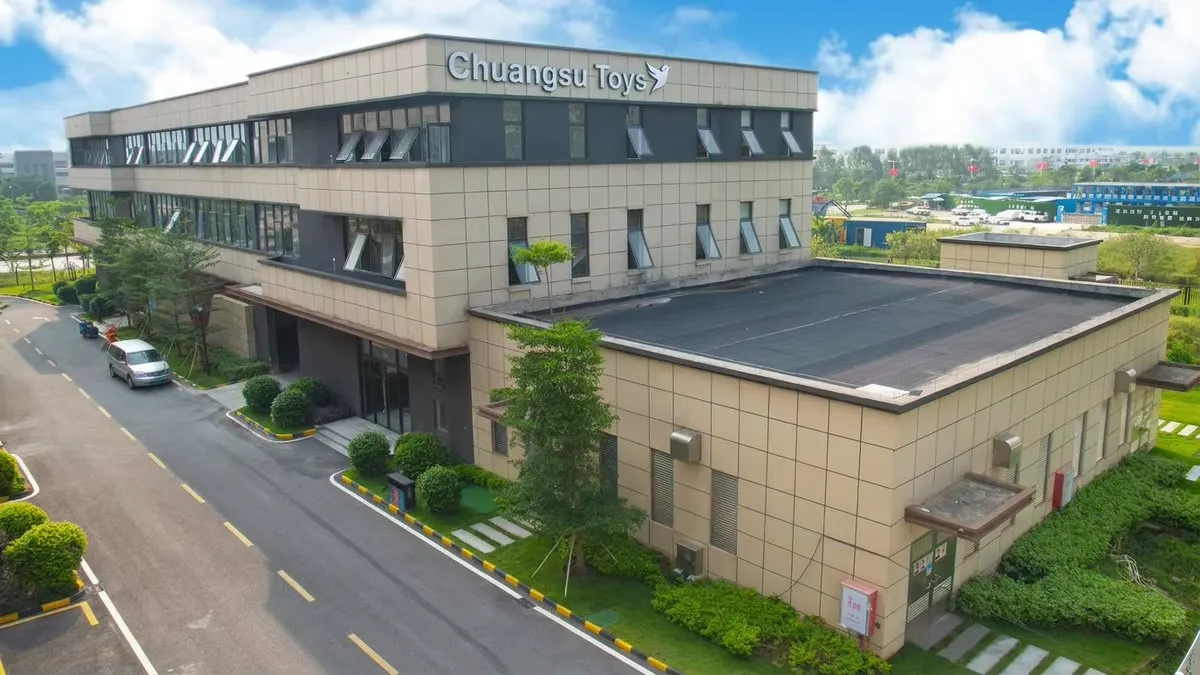
A buyer’s due-diligence checklist for mahjong suppliers — verification, factory evidence, QC process, communication quality and the questions that expose an assembler.
The Stake: Your Brand Ships on Their Line
A mahjong supplier does not just sell you product — they manufacture your brand’s reputation. Tiles that fade, colors that drift between orders, a container that misses the season: your customers blame you, not your vendor. Ten checks, thirty minutes each, before the first PO.
Checks 1–3: Are They Real?
1. Business verification: legal name, registration and export record — ask for the business license and match the English name. 2. Factory vs assembler: a real manufacturer shows you lines, not a showroom; ask which processes run in-house. 3. Consistency: the company name on the license, the invoice, the bank account and the contract must match. Mismatches here end negotiations.
Checks 4–6: Can They Make Your Product?
4. Product evidence: current production photos and videos of the exact product type — not catalog renders. 5. Capacity honesty: a plant claiming infinite capacity in peak season is lying to someone, possibly to you. 6. Customization depth: ask how artwork is adapted for engraving versus print. A factory answers in process detail; a trader answers in price.
Checks 7–8: How Do They Treat Quality?
7. QC narrative: ask what happens when a part fails — at incoming, in-process, final. Real manufacturers describe gates; middlemen describe guarantees. 8. Sample discipline: request a pre-production sample with your artwork. The sample process — speed, physical accuracy, documentation — previews your entire relationship.
Checks 9–10: Will They Communicate?
9. Response quality: measure first-reply time and whether the reply answers your actual questions. A supplier who cannot communicate during courtship will not improve after deposit. 10. Evidence culture: ask what documentation ships with goods — audit photos, packing lists, certificates. Suppliers proud of their process show it; the others send apologies.
The Meta-Check
Run the same ten checks on two suppliers and compare not just answers but the texture of the answers. Vetting is less about catching liars than about finding the partner whose honesty has structure. That is the supplier your brand survives on.