
Golden Samples and Batch Discipline: Keeping Mahjong Reorders Consistent
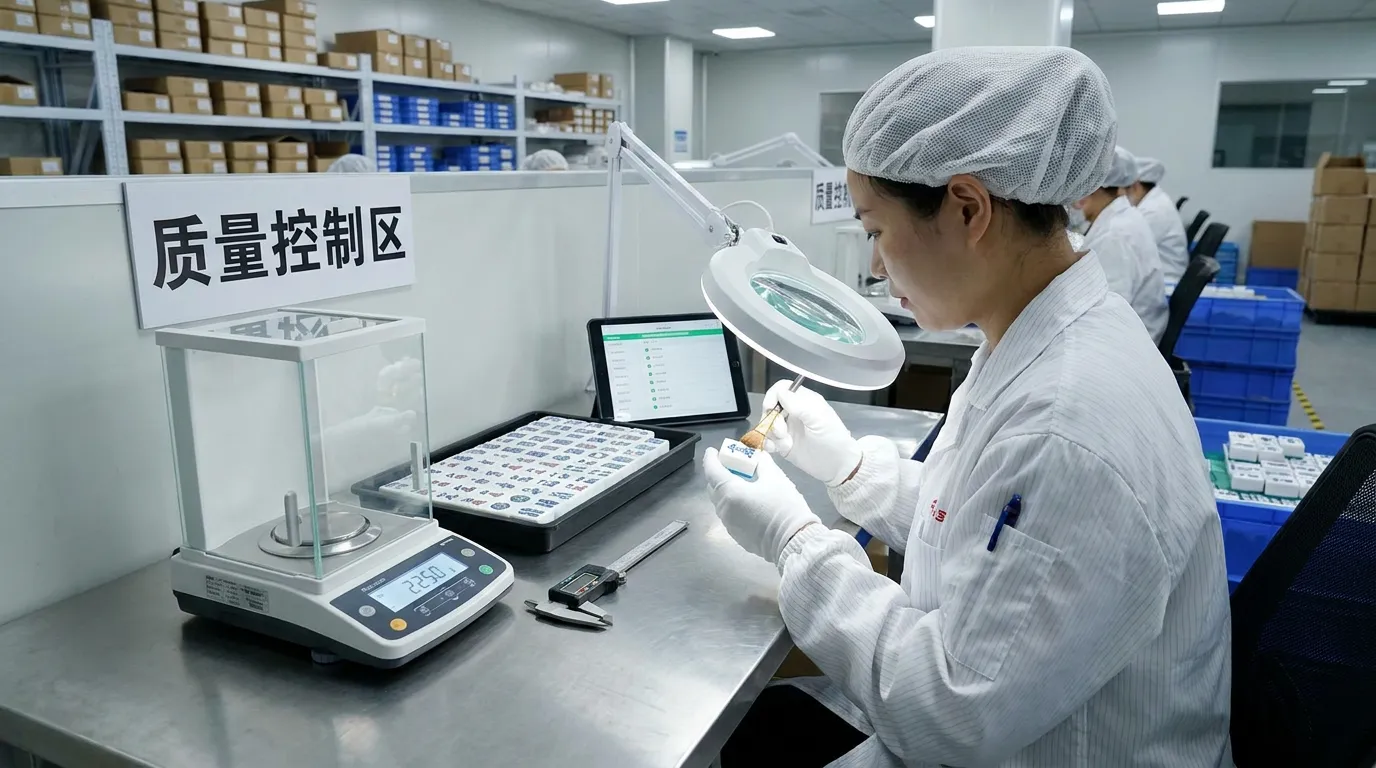
Why order #3 must match order #1 — how golden samples, retained compound batches and archived specifications protect your brand across seasons.
The Test of a Supplier Is the Second Order
Anyone can ship a great first container — the approved sample guarantees it. The brand-defining moment is the reorder, six or eighteen months later, when a new batch meets an old expectation. Consistency across orders is not luck; it is three disciplines buyers can actually verify.
Discipline 1: The Golden Sample
When you approve a pre-production sample, it should be sealed twice — one copy for you, one for the factory’s QC bench. Every subsequent run is audited against that physical artifact, not against emails or memory. "Match the original" stops being a negotiation and becomes a measurement.
Discipline 2: Batch Retention
Acrylic tone drifts if each run compounds fresh from a moving spec. We retain compound batch records and physical retained samples per program, so reorder material is matched to the original under standardized light before production. This is the invisible difference between factories that can reorder and factories that can only re-quote.
Discipline 3: The Archived Specification
Tooling records, engraving files, packaging dielines, packing lists — archived against your program number, retrievable years later. When your reorder arrives, the spec sheet answers questions your new purchasing manager has not yet thought to ask.
How Buyers Verify All Three
Ask three questions on day one: "Will a sealed golden sample exist, and who holds it?" "How is material tone matched to my first order on a reorder?" "What exactly do you archive, and for how long?" A supplier with these disciplines answers specifically — with shelf locations, practically. A supplier without them answers in adjectives.
The Brand Math
Your customer who bought the ivory set in 2026 and recommends it in 2027 has made your reorder quality part of your promise. Consistency disciplines are how manufacturing keeps that promise — and why they are standard, not premium, in our supply programs.